
Vancouver, British Columbia–(Newsfile Corp. – September 10, 2026) – Medaro Mining Corp. (CSE: MEDA) (OTCID: MEDAF) (FSE: 1ZY) (“Medaro” or the “Company”) is pleased to announce highly encouraging rock chip assay results for its Bastnäs Project, a prospective rare earth element (“REE”) project in central Sweden, located in the prolific Bergslagen Mining District (the “Project”). A total of 218 rock samples were collected from a wide range of waste dumps and outcrops across the extent of the project during the summer period of 2026. The program was supported by a high-resolution low elevation drone magnetic survey that was flown across the extent of the permits. Several highly encouraging targets have been identified for further exploration in the later part of 2026, with additional mineralogical work and core drilling planned to further evaluate these targets.
The results of the surface sampling program highlight the overall polymetallic nature of the Bastnäs Project with exceptional grades of critical metals returning results from 9.7% to 33% Total Rare Earth Oxides (“TREO”), alongside significant grades of gold, copper, silver, gallium and tungsten.
Selective individual rock chip samples returned up to 16.5 g/t gold and 23.7% copper, 0.31% tungsten (“W”), 260.1 g/t gallium oxide (“Ga₂O₃”) and 0.34% cobalt (“Co”). Of the total samples collected, 22 returned greater than 1.0% TREO, including nine samples that returned greater than 10% TREO and 19-24% neodymium-praseodymium oxide (“NdPr”) content.
The Company believes these results demonstrate that the Bastnäs mineralized system hosts a highly diverse assemblage of significant rare earth and polymetallic mineralization, supporting further systematic exploration.
Rock-chip and waste-dump samples are selective in nature and may not be representative of the underlying or in-situ mineralization. The original location and geological context of mineralized material collected from historical waste dumps or slag are not known. The results do not demonstrate mineralized widths, continuity or economically recoverable mineralization.
“The results from our 2026 sampling program have provided a strong foundation for advancing Bastnäs,” said Mark Carruthers, President and CEO of Medaro Mining. “We have identified high-grade rare earth results, including up to 32.99% TREO, along with significant copper and gold mineralization across several areas of the Project. The program has also helped us identify and prioritize multiple targets for follow-up exploration. We are now focused on mineralogical work and targeted drilling to evaluate the depth and continuity of this mineralization, and we are excited about the next phase of exploration and the opportunity to follow through on these targets.”
Highlight: High-Grade Rare Earth Elements (“REE”)
A half-kilogram sample (BS39b) of magnesium-iron-calcium (“Mg-Fe-Ca”) enriched skarn rock found on dumps at the historic Cerite Shaft returned 32.99% TREO. See Figure 1 for location. This assay result contains the following light rare earth oxide (“LREO”) percentages:
lanthanum oxide (“La2O3“) 9.51%, cerium oxide (“CeO2“) 15.78%, praseodymium oxide (“Pr6O11“) 1.56%, neodymium oxide (“Nd2O3“) 4.93%, samarium oxide (“Sm2O3“) 0.67%, and gadolinium oxide (“Gd2O3“) 0.38% (LREO 99.6% of TREO). The sample also contains 0.37% yttrium oxide, 1.75% fluorine and 3.48% loss on ignition volatiles.
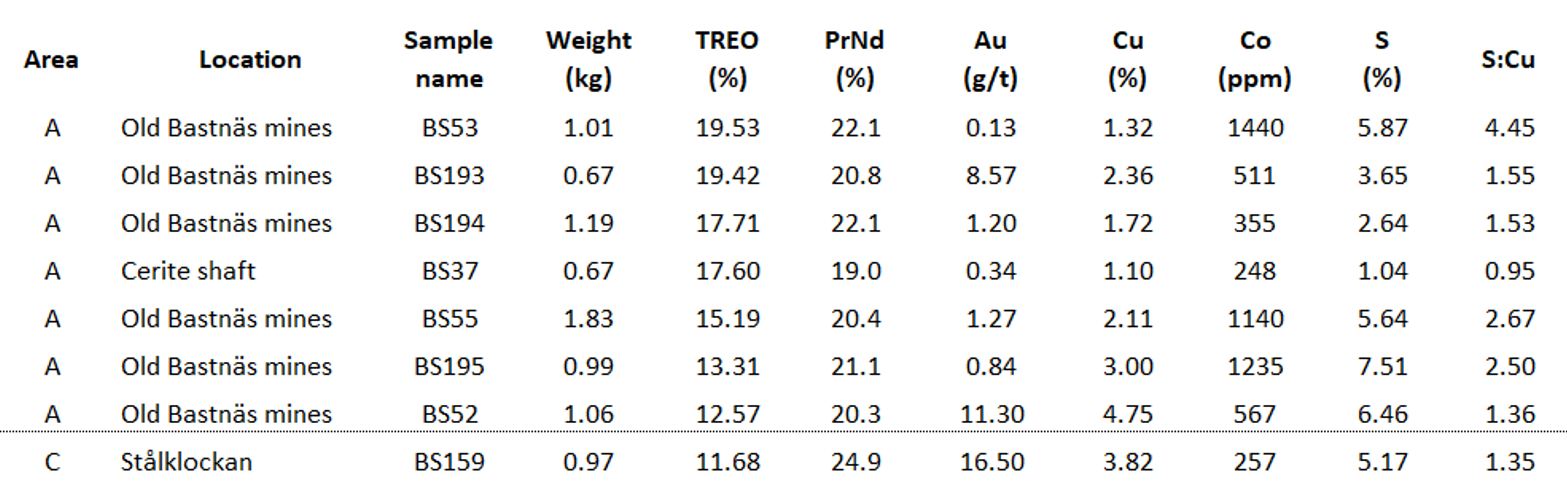
A further seven samples from a selection of waste rock dumps around the Old Bastnäs mines and one sample from the historic Stålklockan workings all contained copper sulphide and gold mineralization with >10% TREO (see Table 1 below).
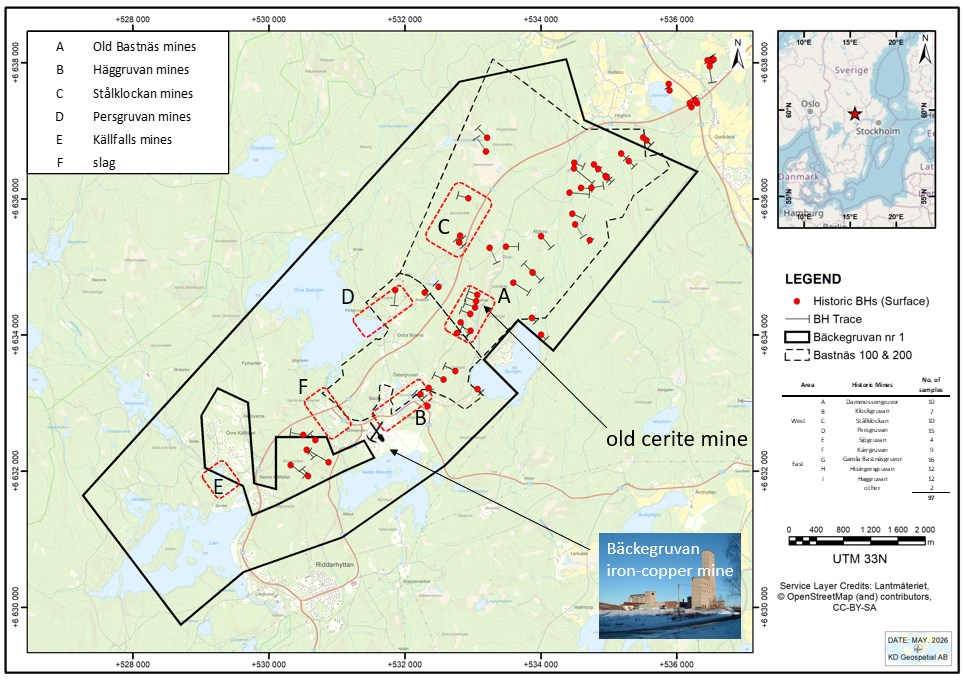
Figure 1: The Bastnäs Project showing historic surface core drilling and areas of interest generated through this surface sampling project
To view an enhanced version of this graphic, please visit:
https://images.newsfilecorp.com/files/8279/313728_d435689d849c6a96_001full.jpg
Based on surface assay results, there are six areas of interest across the extent of the project. All areas consist of historic mine workings of various ages and extents.
- Area A: the old Bastnäs workings including the famous Cerite Mine.
- Area B: a string of open pit workings called Häggruvan that formed part of the Bäckegruvan mining area.
- Area C: the Stålklockan and Nygruvan magnetite workings.
- Area D: the underground Persgruvan mining area, with nearby Bössan and Lerklockan workings.
- Area E: the Källfallsgruvan mining area that once contained an old process plant and today has a large flooded open pit mine.
- Area F: an unknown volume of slag derived from the historic Bäckegruvan smelter operations.
Table 1: Eight additional high grade TREO assay results (>10%) with gold and copper mineralization
To view an enhanced version of this graphic, please visit:
https://images.newsfilecorp.com/files/8279/313728_medaro_table1.jpg
All samples shown above in Table 1 above had visual chalcopyrite and pyrite with a sulfur: copper ratio (“S:Cu”) showing that chalcopyrite is the dominant sulphide. The sulphide mineralization also contains anomalous cobalt. Many of the samples also showed brecciation textures with sulphide cementation. BS39b is not included in this table as the sample had no significant concentrations of gold and copper.
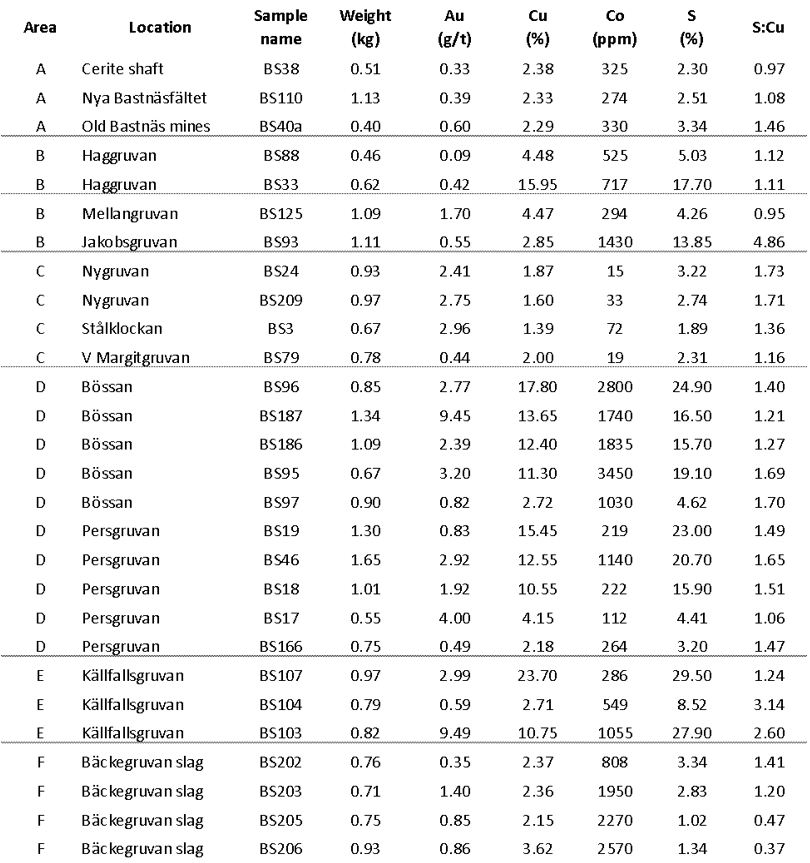
Across the project a total of 28 samples also had copper grades >2% and/or gold grades > 2 g/t but with low TREO results, typically <0.30%. See Table 2 below for assay results. Cobalt grades up to 0.34% are found in Area D at the old Bössan underground mine.
Table 2: Gold and Copper assay results for a further 28 samples across the project
To view an enhanced version of this graphic, please visit:
https://images.newsfilecorp.com/files/8279/313728_medaro_table2.jpg
The following maps show the distribution of gold, copper and TREO assay results across the extent of the Project.
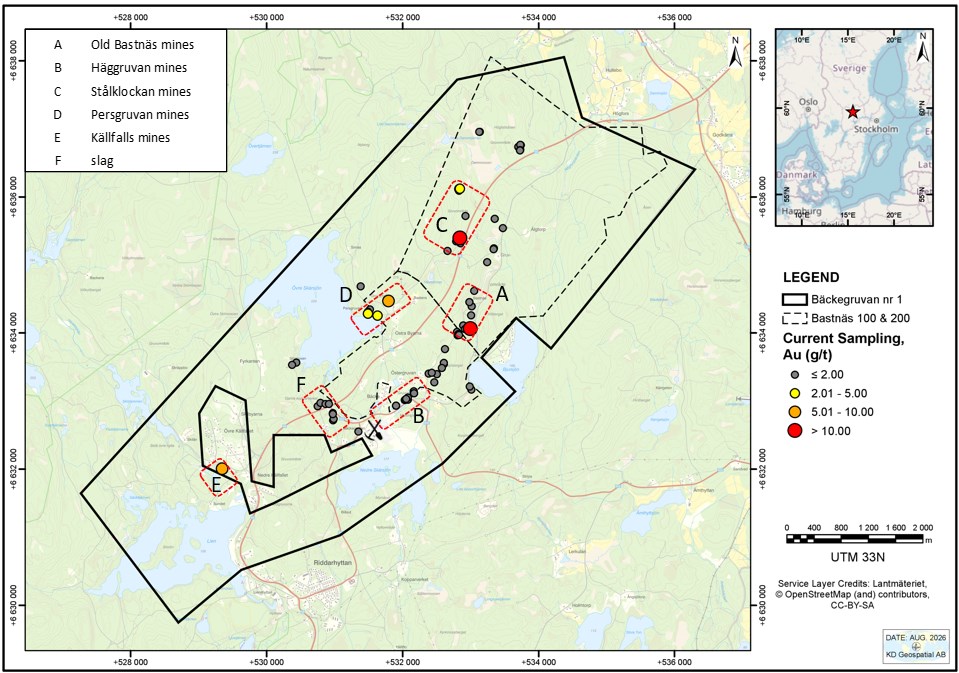
Figure 2: Distribution of gold assay grades
To view an enhanced version of this graphic, please visit:
https://images.newsfilecorp.com/files/8279/313728_d435689d849c6a96_004full.jpg
From the 218 samples, a total of 15 samples assayed greater than 2.0 g/t Au, with two samples assaying greater than 10.0 g/t Au. The highest grade of 16.5 g/t Au is associated in the same sample with 3.82% Cu and 11.68% TREO mineralization from a skarn-sulphide dump rock sample collected at the Stålklockan mine workings in Area C.
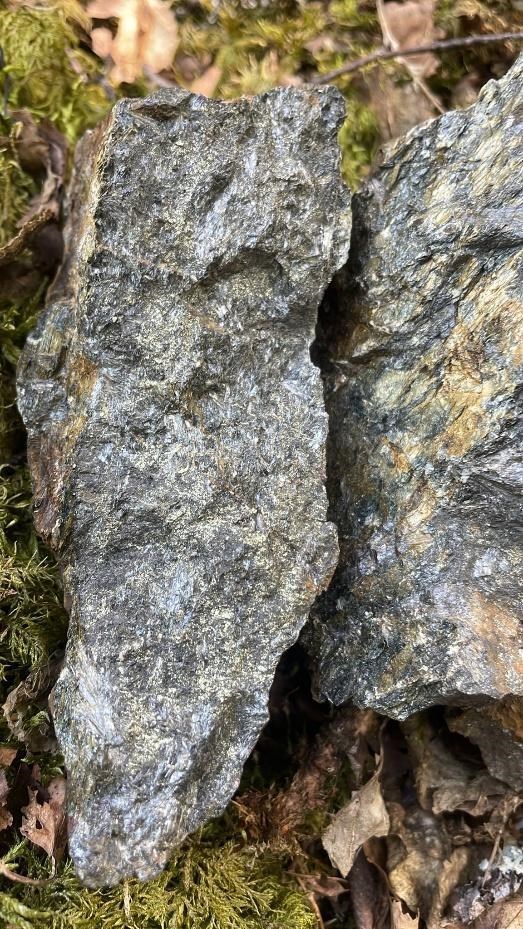
Plate 1
BS 159: 0.97 kg Skarn rock with dense dissemination of chalcopyrite
To view an enhanced version of this graphic, please visit:
https://images.newsfilecorp.com/files/8279/313728_d435689d849c6a96_005full.jpg
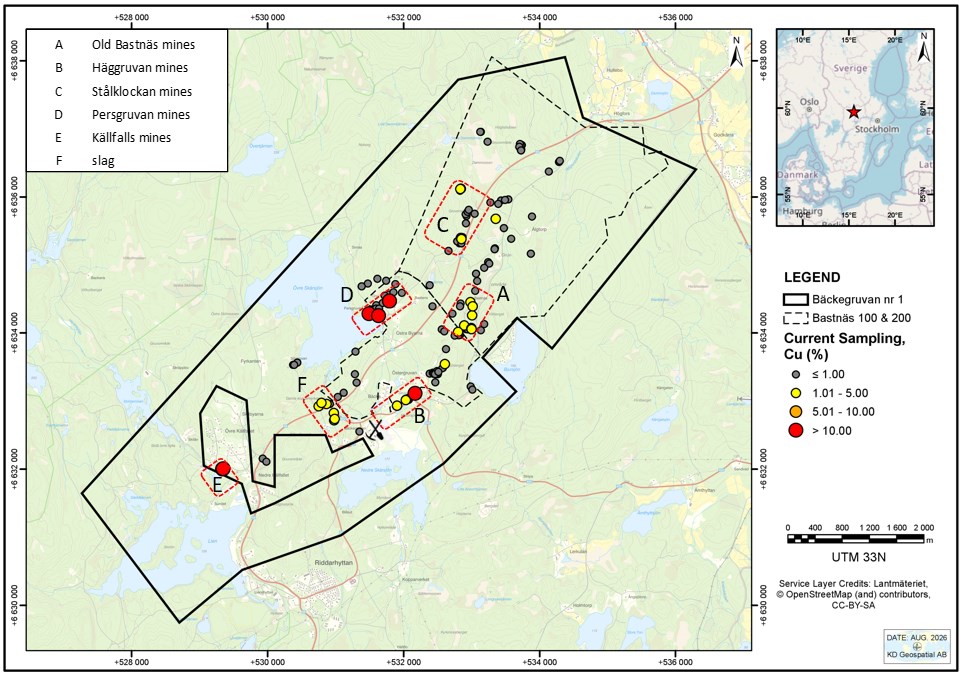
Figure 3: Distribution of copper assay grades
To view an enhanced version of this graphic, please visit:
https://images.newsfilecorp.com/files/8279/313728_d435689d849c6a96_006full.jpg
From the 218 samples, a total of 56 samples assayed greater than 1.0% Cu. A total of 10 of these samples assayed > 10% Cu, seven of which were found on the waste dumps around the Persgruvan – Bössan underground mine workings in Area D.
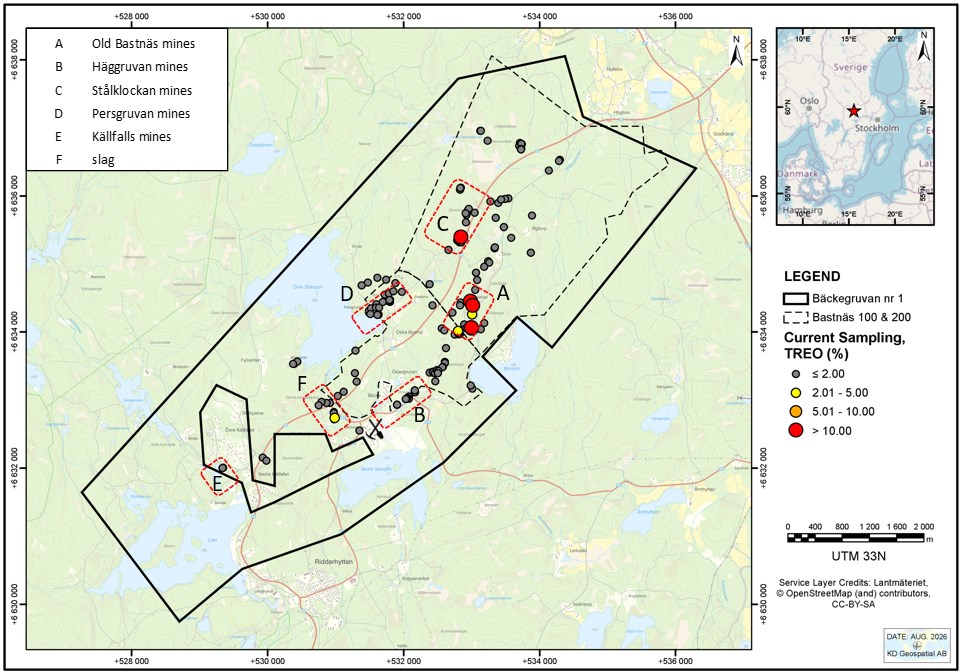
Figure 4: Distribution of TREO assay grades
To view an enhanced version of this graphic, please visit:
https://images.newsfilecorp.com/files/8279/313728_d435689d849c6a96_007full.jpg
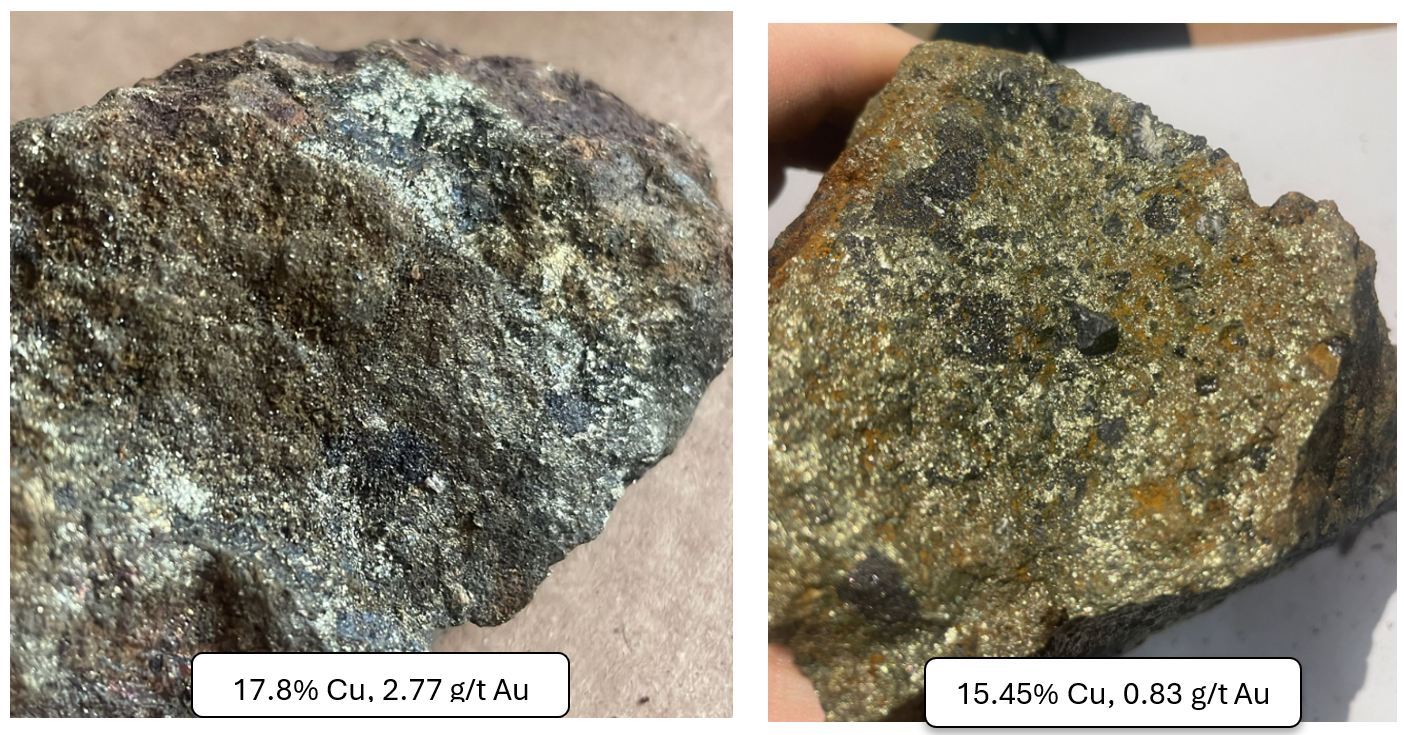
Plate 2
BS19 (R) 1.30 kg
BS96 (L) 0.85 kg
Massive sulphide (23-24% sulfur) with chalcopyrite, pyrite and small breccia clasts
To view an enhanced version of this graphic, please visit:
https://images.newsfilecorp.com/files/8279/313728_medaro.jpg
From the 218 samples a total of 35 samples had initial assay results with Lanthanum + Cerium + Yttrium grades > 0.3%. This was the criteria for carrying out further assay of the entire suite of REE. Of these results a total of nine results reported greater than 10% TREO.
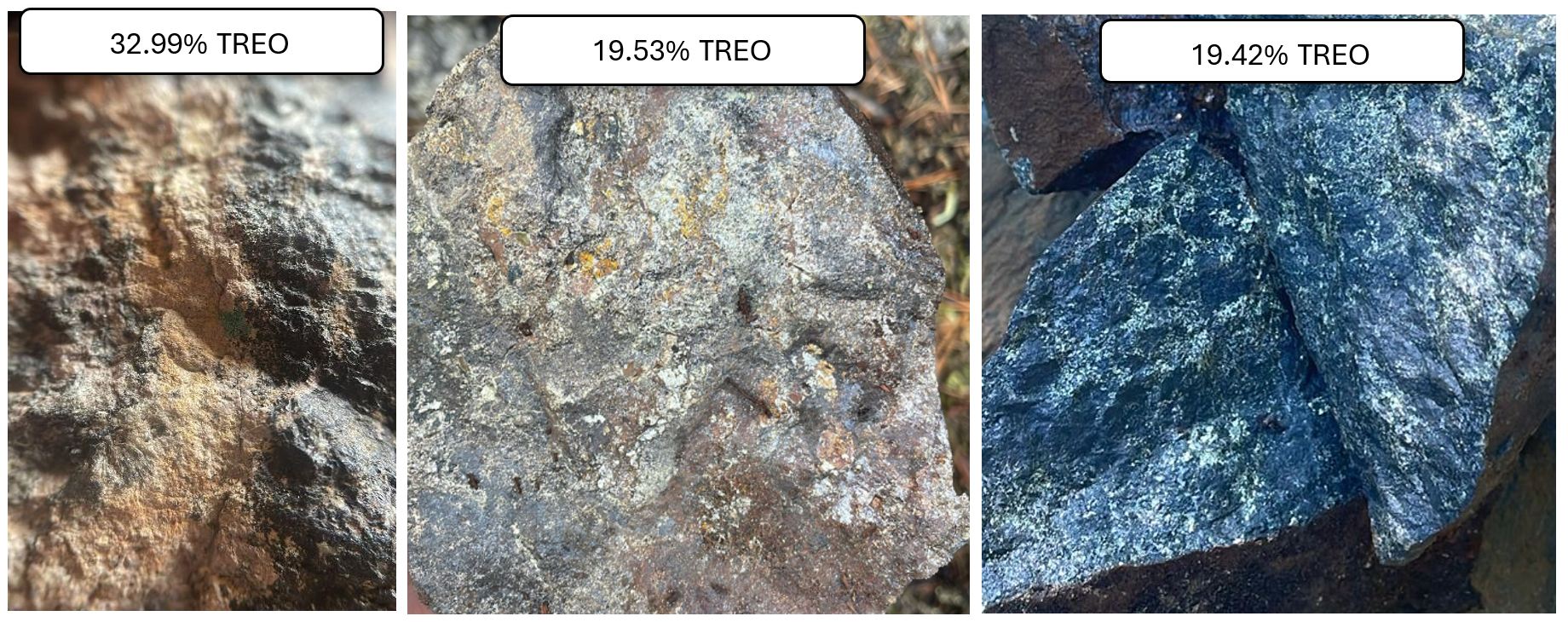
Plate 3
BS39b 0.46 kg from the Cerite Shaft (L) and BS53 1.01 kg (C) BS 193 0.67 kg (R) all from the Old Bastnäs mines in Area A. No sulphide in BS39b
To view an enhanced version of this graphic, please visit:
https://images.newsfilecorp.com/files/8279/313728_medaro2.jpg
Geological & Mineralization Setting
The Bastnäs project area is dominated by Palaeoproterozoic aged felsic volcanics and related sedimentary strata such as dolomitic and ancient ash beds. The geology has been extensively hydrothermally altered with iron, magnesium and calcium ingress forming an array of skarn minerals such as actinolite, tremolite, magnetite and cordierite.
Polyphase deformation coupled with periods of regional felsic and mafic magmatism have created a complex geological architecture hosting episodic mineralization events. Dominant magnetite horizons have been extensively exploited, along with pockets of copper and gold sulphide mineralization. Bastnäs has a profound history with the discovery of cerite and the subsequent identification of a raft of REE minerals, notably the fluorcarbonate bastnäsite.
The surface sampling project has successfully located high grade copper, gold and rare earth mineralization at a number of old workings, including old slag dumps. Whilst the exact location of mineralization from the underground mines remains unknown, the new data set has formed a clear picture of priority areas for the project and will form a base for further exploration.
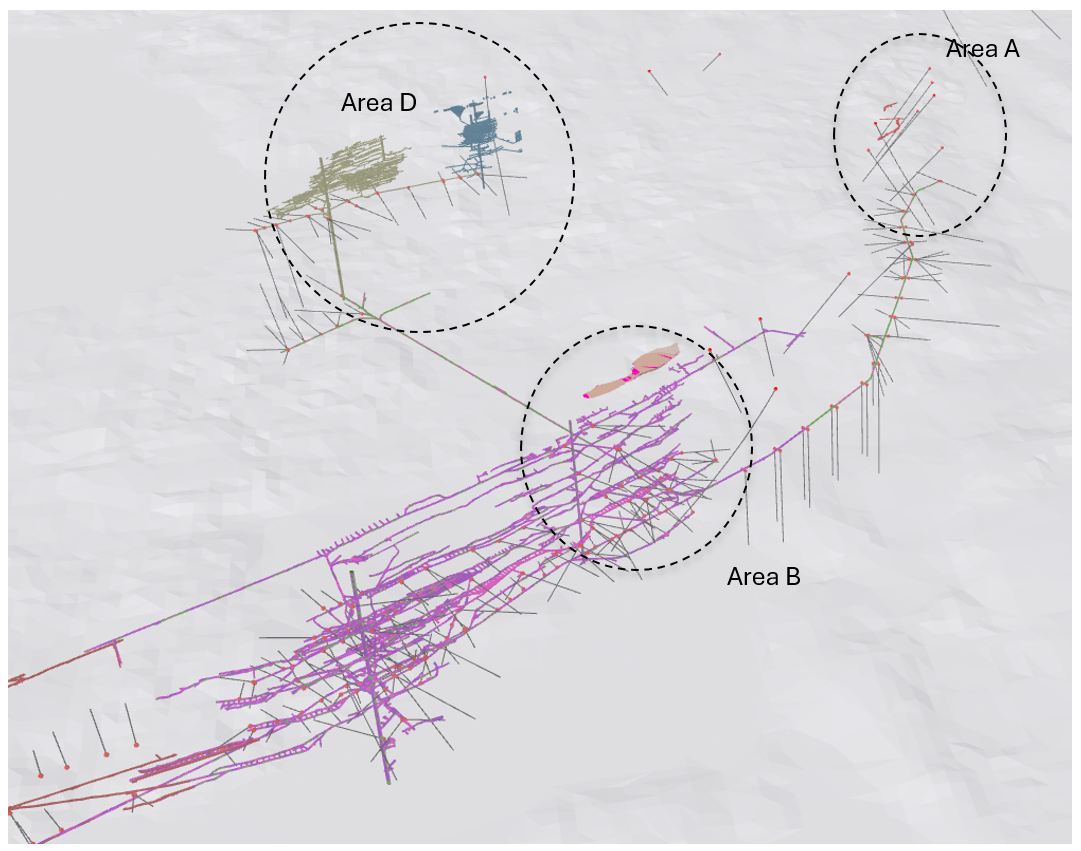
A snapshot from an interactive 3D model is shown below. This model was acquired from the Geological Survey of Sweden (SGU) and shows the layout of underground workings connected to the Bäckegruvan Mine prior to closure in the late 1970’s. Deep drifts were extended to connect northwards to the deeper workings at Bastnäs and Persgruvan (Areas A and D) and were used to drill holes for magnetite exploration.
To view an enhanced version of this graphic, please visit:
https://images.newsfilecorp.com/files/8279/313728_medaro3.jpg
Multi Element Critical Mineral Mineralization
The significance of the Bastnäs Project extends beyond its exceptional rare earth mineralization. Assay results from the Company’s systematic sampling program have identified a broad suite of critical and strategic metals occurring throughout the Project, including REE’s, gallium, cobalt, molybdenum and tungsten, together with high-grade copper, gold and silver.
The combination is particularly notable in the context of growing global efforts to diversify supply chains for critical minerals. REEs such as neodymium and praseodymium are essential components of high-performance permanent magnets used in electric vehicles, wind turbines, robotics, electronics and other advanced technologies. Gallium is critical to semiconductor and high-frequency applications, while cobalt, tungsten and molybdenum are important inputs to batteries, specialty alloys, hard metals and advanced industrial applications.
Exceptional Results from Bastnäs
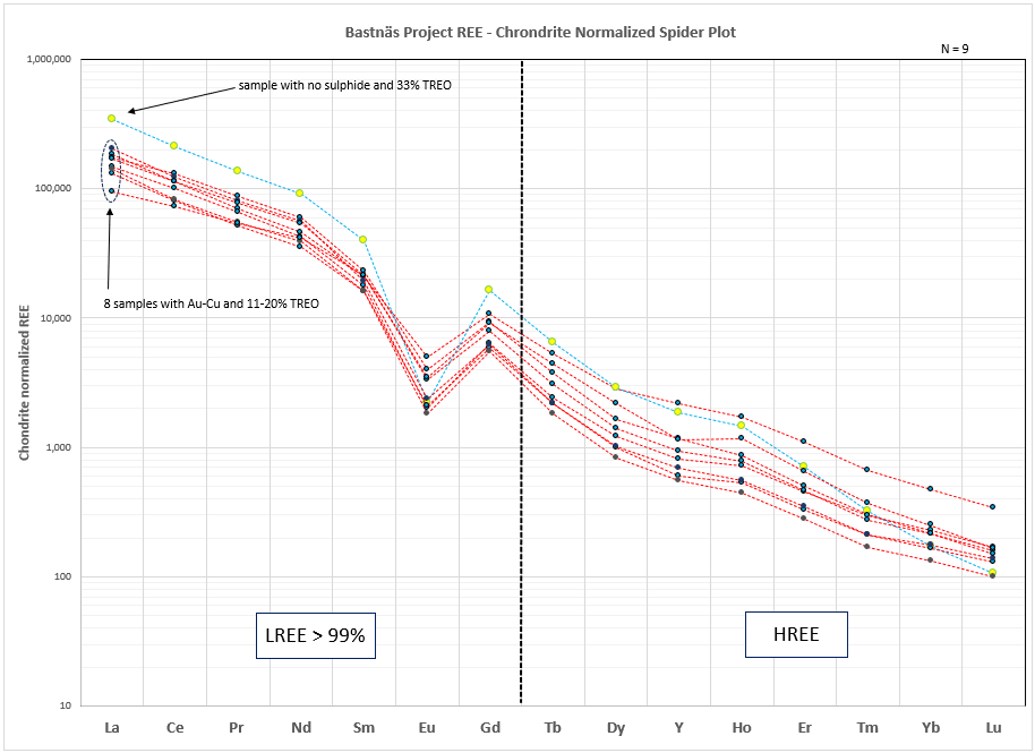
Below is an industry standard spider plot of normalized REE assay data for nine high grade samples, showing that the mineralogy of all REE-bearing samples appears to be similar. All samples are dominated by the Light Rare Earth Elements (“LREEs”) – lanthanum (“La”), cerium (“Ce”), praseodymium (“Pr”), neodymium (“Nd”), samarium (“Sm”), europium (“Eu”) and gadolinium (“Gd.”) with a pronounced europium anomaly.
To view an enhanced version of this graphic, please visit:
https://images.newsfilecorp.com/files/8279/313728_d435689d849c6a96_025full.jpg
Sampling Locations and Assay Procedures
Each of the 218 samples collected in the field has been prepared and assayed by accredited ALS Scandinavia Laboratories based in Sweden. Average sample weight was 1.0 kg. All samples were photographed and recorded with a GPS coordinate. During preparation for samples to be submitted to ALS, a detailed description of each was captured, along with parameters such as magnetism, visible sulphide content, general geology and mineralogy estimation.
At ALS procedures Au-AA23 and ME-MS61 were used first for gold and trace element assay. Quality control was provided by ALS internal procedures. No external quality control and quality assurance (“QA/QC”) samples were submitted. Over grade copper results (>10,000 parts per million (“ppm”) were automatically re-assayed using method Cu-OG62 as well as over grade gold results (>10 ppm) by method GRA21. Re-assay of over grade iron with method Fe-OG62 and sulfur with method S-IR08 was also carried out.
For the rare earth elements, initial ME-MS61 assay results were used to determine the sum of cerium, lanthanum and yttrium. For all samples where the result exceeded 3000 ppm, assay procedure ME-MS81h for ore grade REE was then applied. In the case of a number of samples further over grade testing was required at specialized facilities in Canada using method ICPAES-OGREE for very high grade of lanthanum (“La”), cerium (“Ce”), praseodymium (“Pr”). For all samples with >10% TREE, method ME-IC881 was applied to determine fluorine content and method OA-GRA05 for determining Loss on Ignition (LOI) at 1000°.
Adjustments made to the assay data were limited to the conversion of reported elemental assays for a range of elements to the equivalent oxide compound as applicable to rare earth oxides (REO). In all instances the original element data has been stored in the database and the equivalent oxide values loaded into appropriately labelled field identifying them as calculated values. Selected checks on these calculated fields did not identify any issues. The oxides were calculated from the element according to the standard following factors:
| REO | Conversion Factor (Element →Oxide) |
REO | Conversion Factor (Element →Oxide) |
| CeO2 | 1.2284 | Nd2O3 | 1.1664 |
| Dy2O3 | 1.1477 | Pr6O11 | 1.2082 |
| Er2O3 | 1.1435 | Sm2O3 | 1.1596 |
| Eu2O3 | 1.1579 | Tb4O7 | 1.1421 |
| Gd2O3 | 1.1526 | Tm2O3 | 1.1421 |
| Ho2O3 | 1.1455 | Y2O3 | 1.2699 |
| La2O3 | 1.1728 | Yb2O3 | 1.1387 |
| Lu2O3 | 1.1371 |
Rare earth oxide (REO) is the industry accepted form for reporting rare earths and for the purposes of this news release TREO (Total Rare Earth Oxide) is calculated as the sum of 14 lanthanide oxides from lanthanum to lutetium, excluding yttrium oxide (“Y₂O₃”), which is reported separately:
TREO (Total Rare Earth Oxide) = [La2O3] + [CeO2] + [Pr6O11] + [Nd2O3] + [Sm2O3] + [Eu2O3] + [Gd2O3] + [Tb4O7] + [Dy2O3] + [Ho2O3] + [Er2O3] + [Tm2O3] + [Yb2O3] + [Lu2O3].
Phase II Drilling Program
The Company is planning a targeted drill program to test priority mineralized targets identified through recent fieldwork and geophysical surveys. The program is designed to advance multiple targets with the potential for REE mineralization, as well as gold and copper mineralization. Drilling will provide an important next step in evaluating the depth, continuity and geological characteristics of these targets, while helping to define areas for further exploration and future resource evaluation.
Mineralogical Analysis
The Company is planning to advance mineralogical work to confirm the presence and distribution of bastnäsite within the project area. Bastnäsite is a key rare earth mineral and has been historically identified in the area where the Company is currently conducting sampling. Preliminary testing of fluorite associated with the mineralized material has produced results that may be consistent with the presence of bastnäsite, providing an encouraging indication for further investigation.
The Company will undertake detailed mineralogical analysis through consultants to definitively identify the rare earth minerals present and, importantly, confirm the presence of bastnäsite within the sampled material. Results from this work will help guide future exploration and sampling programs.
Technical Disclosure and Cautionary Language
Besides new assay data created in this study, the project is also based on publicly available datasets, historical geological mapping, historical exploration information and regional geophysical data.
The property is an early-stage exploration project, and the surface sampling study does not constitute a mineral resource estimate, mineral reserve estimate, preliminary economic assessment or economic evaluation. Further fieldwork, sampling, geophysical verification and drilling will be required to determine whether significant mineralization is present on the Project.
Qualified Person
The technical information contained in this news release has been reviewed and approved by Amanda Scott, a consultant of the Company and a “Qualified Person” as defined under National Instrument 43-101 – Standards of Disclosure for Mineral Projects. The Qualified Person has reviewed the technical content of this news release but has not independently verified all historical or third-party exploration data referenced herein. Such information is considered historical in nature and is used for geological context and exploration targeting purposes only.
About the Bastnäs Project
The Bastnäs Project is located in central Sweden and is situated within the historically significant Bastnäs area, where bastnäsite was first identified in the 19th century. The mineral takes its name from Bastnäs, which is also associated with some of the earliest discoveries of rare earth elements. The Project is prospective for rare earth mineralization, precious and base metals.
The project comprises two (Bastnäs 100, Bastnäs 200) mineral exploration permits currently held on trust by McKnight Resources AB (“MRAB”) and one (Bäckegruvan nr 1) mineral exploration permit currently held on trust by Explora Mineral AB (“Explora”). Pending regulatory approval, from the Inspectorate of Strategic Products (ISP) and the Geological Survey of Sweden (Bergsstaten), the permits will then be transferred 100% to Medaro.
About Medaro Mining Corp.
Medaro is a mineral exploration company focused on the acquisition and advancement of high-quality mineral projects in Ontario, Quebec and Sweden. The Company’s strategy is to build shareholder value through systematic exploration, disciplined project evaluation, and responsible development.
For more information, investors should contact [email protected], visit the Company’s website at www.medaromining.com, call 1 866 998 6536, or review the Company’s public filings available at www.sedarplus.ca.
On Behalf of the Company
“signed”
Mark Carruthers
President & Chief Executive Officer
Medaro Mining Corp.
220 – 333 Terminal Avenue
Vancouver, BC V6A 4C1
[email protected]
Neither the Canadian Securities Exchange (“CSE”) nor its Regulation Services Provider (as that term is defined in the policies of the CSE) accepts responsibility for the adequacy or accuracy of this release.
Forward-Looking Statements
This news release contains forward-looking statements and forward-looking information within the meaning of applicable securities laws. Forward-looking statements include, but are not limited to, statements regarding the exploration potential of the Project, the interpretation of geological, geophysical, geochemical and historical data, the identification and ranking of exploration targets, the Company’s proposed exploration plans, and the potential for discovery of REE mineralization.
Forward-looking statements are based on assumptions considered reasonable by management as of the date of this news release, including assumptions regarding the accuracy of historical and publicly available data, the availability of financing, access to the Project, receipt of required permits, and the Company’s ability to complete future exploration programs. Forward-looking statements are subject to known and unknown risks, uncertainties and other factors that may cause actual results to differ materially from those expressed or implied, including exploration risk, geological uncertainty, permitting delays, market conditions, commodity price fluctuations, availability of contractors, environmental and regulatory risks and financing risks.
Readers are cautioned not to place undue reliance on forward-looking statements. The Company undertakes no obligation to update forward-looking statements except as required by applicable securities laws.
Endnotes / References
https://www.stanfordmaterials.com/blog/praseodymium-properties-and-uses.html
EMX Royalty Corp. Technical Report Riddarhyttan 2019
https://www.indium.com/blog/gallium-uses-in-technology/
https://www.samaterials.com/content/what-are-the-applications-of-tungsten.html
https://www.cobaltinstitute.org/global-cobalt/cobalt-uses/
https://www.samaterials.com/content/what-are-the-uses-of-molybdenum.html